

flexible tanks installation
Flexible Tanks: Contributing to Water Conservation

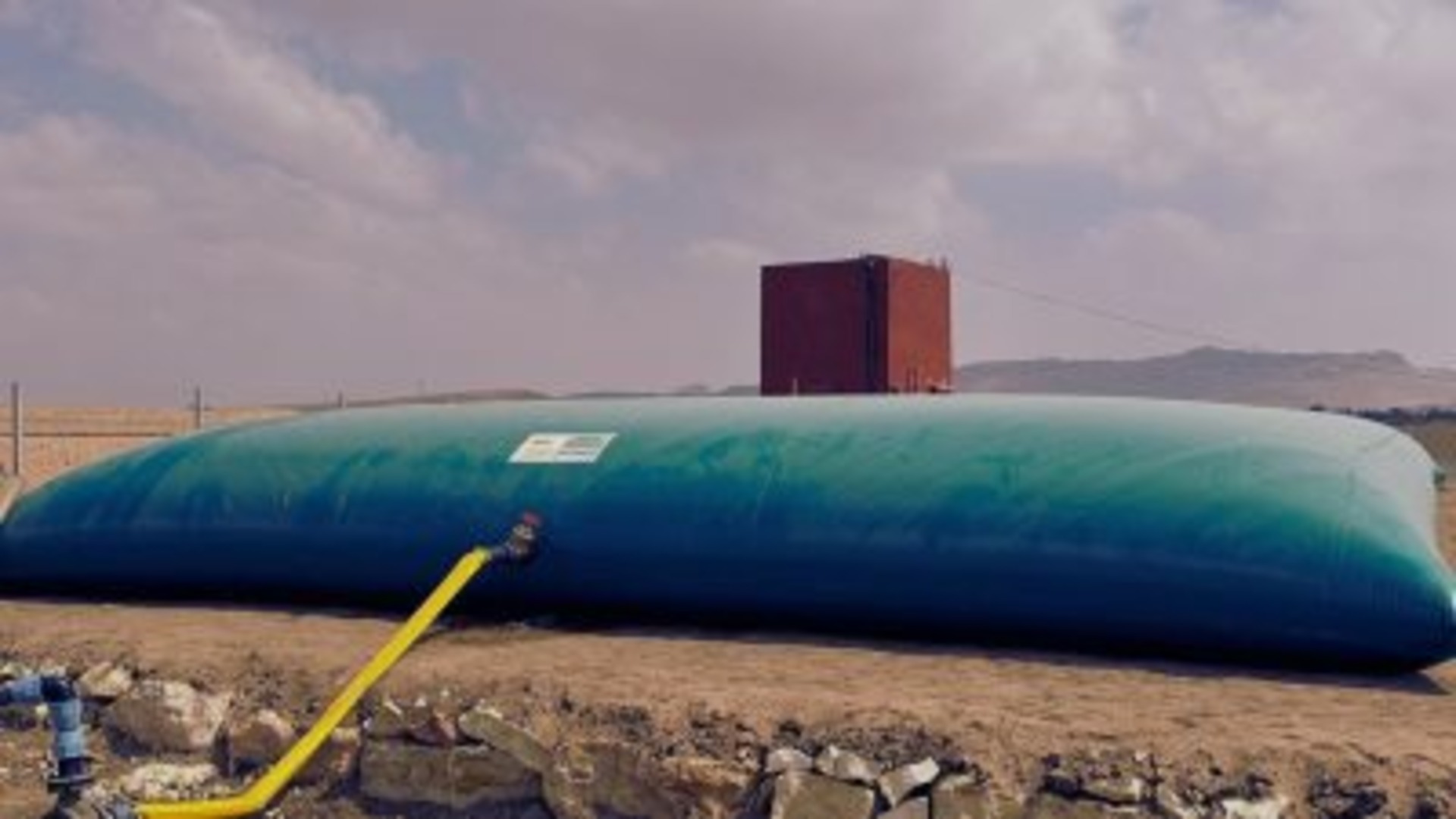
Flexible tanks offer an economical and environmental friendly storage solution for rainwater. With collected water in a flexible tank, you can
water your garden, maintain your swimming pool, and more. In France, more than one rainwater harvesting system is installed every
5 minutes, totaling 275 installations per day.
Water is a precious and vital resource for humanity and the environment. In a context of dwindling water resources, it is increasingly important to find sustainable solutions for its preservation. Flexible cisterns are innovative devices used for collection and storage of rainwater, while also contributing to water conservation. In this article, we will see how flexible cisterns can help conserve water and why they are an ecological and important alternative.
A woman waters her garden using rainwater collected in a flexible tank. In this way, she limits her use of drinking water.
The Challenges of Water Conservation
Before discussing flexible tanks, it’s important to understand that 45% of the rainwater we use doesn’t need to be potable. It’s crucial to understand why water conservation is such a major concern. Water is a limited resource, and its overconsumption has detrimental consequences for the environment and aquatic ecosystems. Flexible tanks are an effective solution for avoiding waste and optimizing water use.
1) Water waste
Water waste can occur in various ways, from excessive use in daily activities and leaks in pipes to over-watering gardens. Flexible tanks allow for the collection of rainwater, which can then be used for everyday tasks such as watering plants, washing cars, etc. This significantly reduces drinking water consumption and thus limits waste.
2) Degradation of Aquatic Ecosystems
Over-consumption of drinking water has direct repercussions on aquatic ecosystems. Indeed, freshwater resources are limited, and their over exploitation leads to a decrease in freshwater reserves, which threatens the survival of aquatic life. Flexible tanks allow rainwater to be collected directly at the source, without undergoing chemical treatment processes. This helps to preserve freshwater resources and maintain healthy aquatic ecosystems.
The Advantages of Flexible Tanks
Nowthat weunderstand the challenges of water conservation, let’s look at the advantages of flexible tanks.
1) Rainwater Harvesting
Flexible tanks are specifically designed to collect rainwater. Thanks to their large storage capacity (from 300L to 30m³), they allow the recovery of a considerable amount of water that would otherwise be lost. This water can then be used for various activities, thus reducing reliance on potable water.
Your water needs will vary depending on your usage. You will need approximately:
- 170 liters of water to wash your car
- 13 liters/m² to water your garden
- 70 liters of water to run your washing machine
- 10 liters of water for your toilet
2) Reduced water bills
By using rainwater collected in flexible tanks, it is possible to reduce your drinking water consumption and therefore save money on your water bill. This represents a significant economic advantage for users
3) Reducing the Ecological Footprint
Using flexible tanks helps reduce the ecological footprint associated with water consumption. By using rainwater, it’s possible to decrease the amount of water drawn from natural reserves, thus reducing the pressure on the environment.
Criteria to Consider When Choosing a Flexible Tank
Whenyouwanttopurchase a flexible tank, it’s important to consider certain criteria to choose the model best suited to your needs
1) Storage Capacity
The storage capacity of a flexible tank can vary depending on each user’s needs. It’s essential to determine the amount of water you want to store in order to choose a suitable tank. So, how much rain falls on your property? With heat waves and periods of drought, more and more individuals are turning to rainwater harvesting systems to conserve this precious resource. But how much water can you collect? To find out, there is a very simple formula:
Simply multiply the rainfall by the surface area, then multiply the result again by the coefficient. The formula is: rainfall x surface area x coefficient = amount of water that can be collected
2) Material Quality
It is essential to choose a flexible tank made from a quality material. Opt for resistant and durable materials to ensure proper preservation of the collected water. A flexible tank made of 900g/m² PVC fabric is the perfect choice!
Flexible tanks are an effective solution for contributing to water conservation. By collecting rainwater and reusing it for various activities, they help reduce drinking water consumption and contribute to the preservation of freshwater resources. By choosing a flexible tank suited to your needs, you can actively contribute to environmental protection and water conservation.
Ready to get started? Here are our YouTube tutorials to help you get started! Or you can place your order directly here
 Basic cisterns
 Standard cicterns
 Fire-fighting tanks
 Potable water tanks
 Retention bassin