flexible tanks installation
Flexible Tank: The “Water” Solution for Construction Projects

Temporary events, construction sites: discover how to manage water storage with a flexible tank.
Events and Temporary Worksites: The Advantages of a Flexible Tank
Many temporary activities take place outdoors: renovation projects, festivals, events. They all share one common challenge — the need for water, in the right place, without heavy logistics. A flexible tank is designed precisely for these constraints. Easy to transport, set up, and fold away, it secures water supply for construction professionals, tradespeople, and event organizers.
What are its main uses? How do you choose and install your tank ? This article explains.
Flexible Tanks and Temporary Operations: The Perfect Match
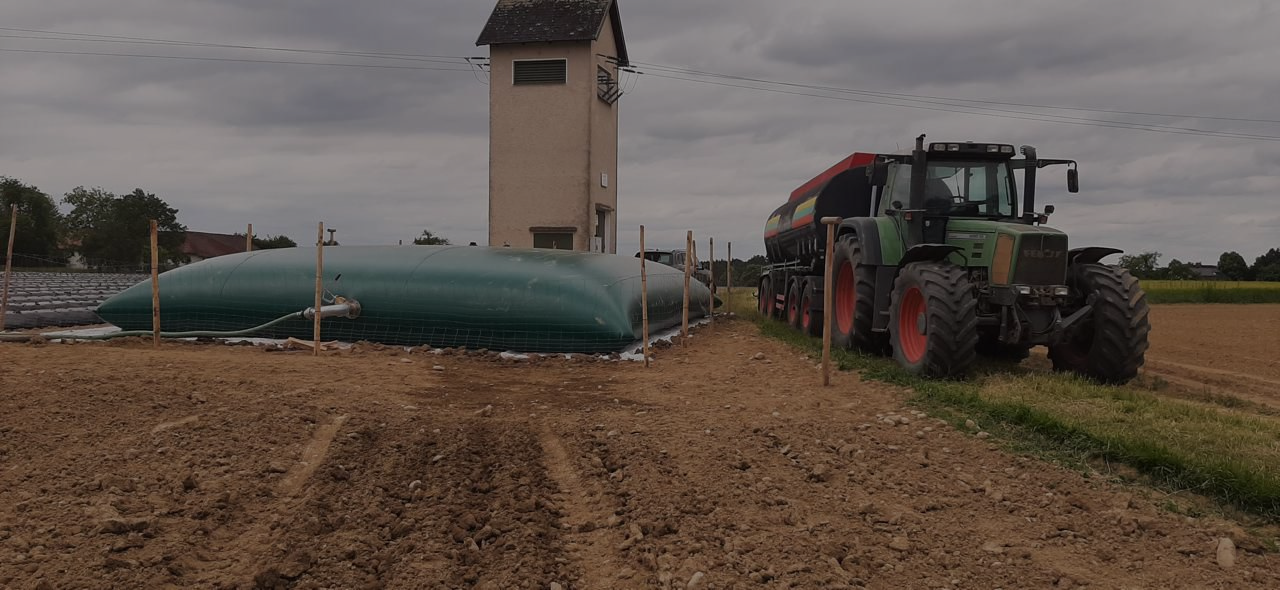
The primary advantage of a flexible tank is its simplicity. Delivered rolled up, it is laid on a flat surface, connected within minutes (valves, quick couplings), and filled from a tanker truck, a fire hydrant, a temporary network, or even a rainwater harvesting system installed, for example, on a marquee. No lifting equipment, excavation, or masonry required.
This ease of installation and use does not compromise its strength: high- quality technical fabrics (PVC) provide excellent mechanical resistance, UV durability, and perfect water tightness.
As such, the flexible tank is a mobile, secure, and long-lasting storage solution — ideal for supplying nomadic sites.
Benefits of Flexible Tanks in Construction
On a construction site, water is needed everywhere. A flexible tank makes it available exactly where and when required, particularly for:
- Supplying pressure washers: Cleaning façades, formwork, or machinery requires a steady flow. A 3–10 m³ flexible tank, combined with a small surface pump, can reliably supply several washers.
- Mixing mortar: In areas not connected to the network, having water near the mixer speeds up production by reducing trips. Volumes of 5–15 m³ can easily cover a full day of mixing.
- Dust suppression (earthworks, roads, stockpiles): In dry weather, targeted spraying reduces dust and improves working conditions. By connecting the flexible tank to a ramp or hose, tracks and material piles can be moistened at regular intervals.
- Rainwater buffering: The tank can also serve as a buffer when connected to a rainwater collector on modular buildings, providing water for site irrigation (plantings, roads) and lowering costs.
Event Sites: The Added Value of Flexible Tanks
Whether it’s a festival, an outdoor trade fair, or a sporting event, water logistics can be a challenge for organizers. A flexible tank provides a practical solution for non-potable water needs:
- Watering and dust control: Essential for managing dust on grounds or keeping plants watered, a temporary tank meets this requirement effortlessly.
- Temporary fire reserve: Some events must provide a firefighting water reserve. A large-volume flexible tank fulfills this role, serving as a clearly identified point on the fire brigade access plan, complete with signage and maneuvering space.
- Rainwater harvesting under a marquee: By equipping temporary gutters with a collector, rainwater can be stored in the flexible tank for the uses above. Communicating this eco-friendly approach, avoiding water waste also has a positive impact on public and community perception.
How to Deploy a Flexible Tank on a Temporary Site ?
Installing a flexible tank on a construction or event site requires some preparation. In just a few steps, the tank is ready for use
- Select the right location: Choose a flat, stable, debris-free area. Always place a protective mat to eliminate stones or sharp edges that could damage the liner. Keep access clear for fire services and machinery.
- Plan the connections: SERENA tanks come with standard quick couplings (e.g., 2″/DN50). Select adapters to match your existing equipment.
- Filling and overflow: The tank can be filled from a temporary network, a tanker, or a rainwater collector.
- Pumping and distribution: If constant pressure is needed, add a pump with a pressure switch and washable filter. For watering only, a simpler pump will suffice.
- Safety: Protect valves from impact (with bollards). Whether on a worksite or a public event, fence off the area to prevent access to the tank.
End of operation: The tank is fully drained, rinsed, dried quickly, and folded into a pallet or a storage box.
Flexible Tanks: A Simple, Robust Solution for Temporary Installations
There’s no need to constantly mobilize tanker trucks or rely on rigid systems that are long and costly to install. For temporary events and construction projects, a flexible tank saves time and offers a perfect practical solution.
- Transport and setup: Delivered folded (in a van or pickup), the tank can be installed manually without lifting equipment or earthworks.
- Deployment time: On average, installation takes just 2–3 hours.
- Maintenance and durability: SERENA’s PVC is highly robust. Maintenance is straightforward and low-effort: rinsing, checking seals, and occasional replacement of a gasket or fitting.
- Flexibility: SERENA tanks range from 300 liters to 1,000 m³, offering solutions for every need.
A flexible tank is an efficient, economical response to the temporary water needs of construction companies and event organizers. Adaptable to many situations, it enables quick and easy installation. SERENA’s team supports you step by step in selecting the right tank size, fittings, pumps, and accessories — delivering a turnkey solution that is robust and perfectly suited to your site requirements.
 Basic cisterns
 Standard cicterns
 Fire-fighting tanks
 Potable water tanks
 Retention bassin